
Registered to Renting · 4 min read
Service notes
- A Certificate of Compliance is required for all residential rental properties in Detroit except owner-occupied single-family homes.
- In 2026 only about 14 percent of Detroit’s 1-2 family rentals were in compliance, according to the city.
- Tenants in non-compliant properties can pay rent into escrow, and can request a free city inspection at (313) 224-2733.
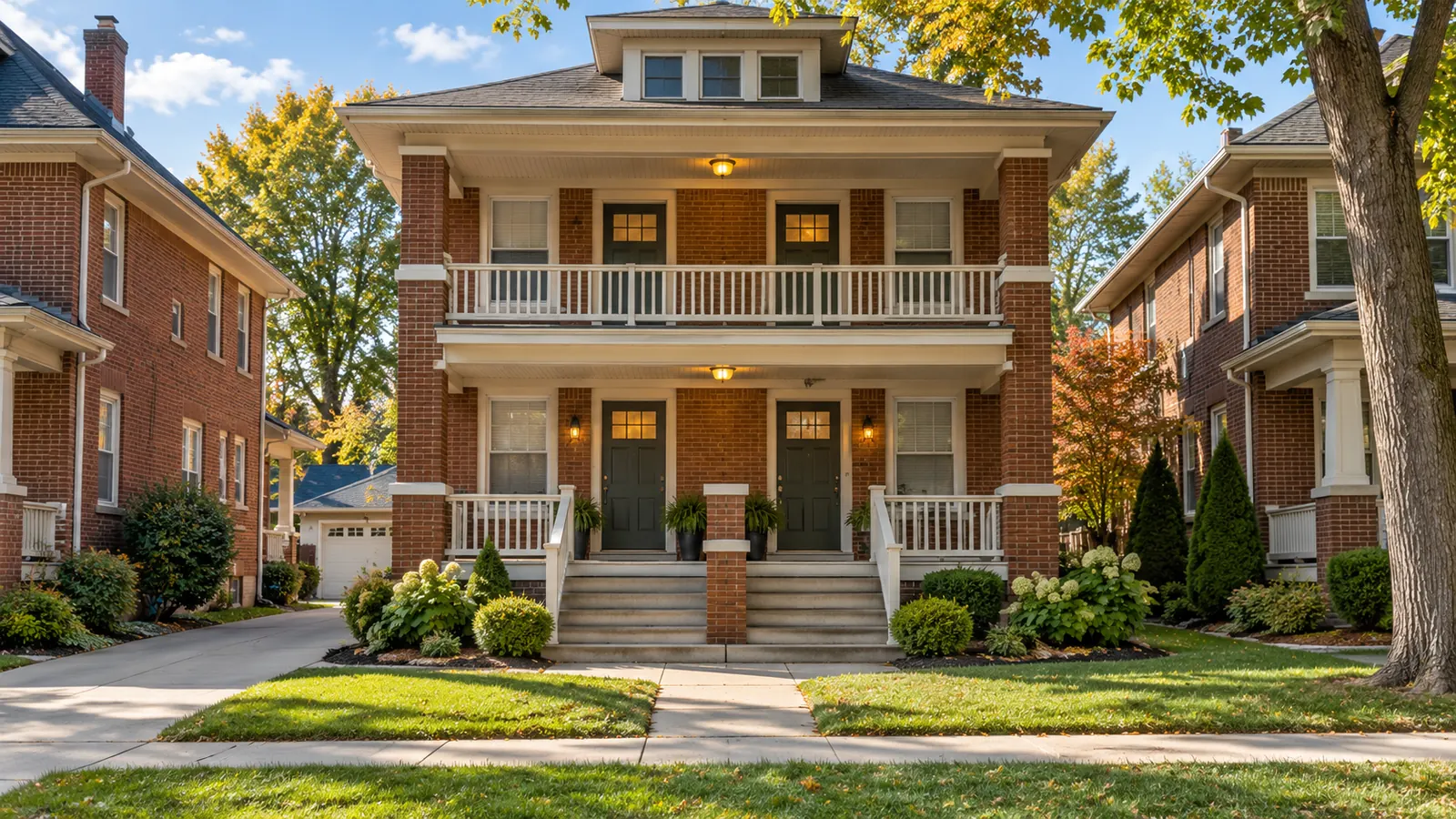
About half of Detroit households rent: the Census counts 50.3 percent of homes as owner-occupied. And the city says one- and two-family rental houses make up the largest share of its rental units. The city has a specific system for making sure those homes are safe: every rental must be registered and pass an inspection. The catch is that a large share of landlords have not completed it. Knowing how to check a home before you sign a lease is the single most useful thing a Detroit renter can do.
Two documents, two different meanings
Certificate of Rental Registration
This is the first step for a landlord. According to the city’s Buildings, Safety Engineering and Environmental Department, known as BSEED, the owner fills out a registration form and the certificate is mailed out. It is free. Registration tells the city a property is a rental; it does not prove the home has been inspected.
Certificate of Compliance
This is the one that matters to a tenant. BSEED says a Certificate of Compliance is required for all residential rental properties in the city, with the exception of single-family homes occupied by their owners. It means the property was inspected and meets the minimum requirements of the Detroit Property Maintenance Code. To get one, an owner must:
- Have a complete and current inspection that is no more than one year old.
- Complete all repairs listed on the correction order.
- Call for a re-inspection to verify the repairs were done in a workmanlike manner.
- Hold a valid Certificate of Rental Registration, if applicable.
City Council overhauled the rental inspection law in October 2024, aiming to improve safety while simplifying the requirements for owners.
How many rentals actually comply
Not many, yet. In a 2026 announcement, Mayor Mary Sheffield said the compliance rate among 1-2 family rental properties, which make up the largest share of Detroit’s rental units, was 14 percent, with an initial goal of raising it to 25 percent within a year. The city’s five-point plan includes a master enforcement list of unregistered rentals, outreach before certificates expire, inspectors assigned to specific areas, more help for small landlords and more public education.
One reason for the low number is simple paperwork: the city notes that thousands of small rentals that were in compliance let their annual certificates expire each year. So a home without a current certificate is not necessarily unsafe, but it is a question you should ask before you move in.
Check any address on the rental map
The city publishes an online rental compliance map at detroitmi.gov/webapp/rental-map showing all known registered rental properties and their status. Before you sign a lease:
- Look up the exact address on the rental map.
- If it shows no current Certificate of Compliance, ask the landlord when the last inspection was and when the certificate will be issued.
- Ask to see the certificate itself. A landlord with nothing to hide can produce it.
- Look for working smoke alarms. Detroit’s property maintenance code requires them within or immediately outside sleeping areas on each level of a rental unit.
Tip: A lease is a good time to negotiate. If a home is not yet compliant, ask the landlord to put in writing which repairs will be made and by what date before you move in.
If your home is not compliant
Detroit gives tenants real leverage. BSEED states that tenants in non-compliant properties can pay their rent into escrow, which holds the money until the landlord brings the property up to code. Talk to a legal aid organization before you start; the city lists the United Community Housing Coalition and Lakeshore Legal Aid among its tenant resources, and the Detroit Housing Resource HelpLine at 866-313-2520 gives referrals.
You can also ask for an inspection yourself. The city says renters can arrange an inspection at no cost by calling (313) 224-2733, and anyone can report a significant building problem online 24 hours a day at detroitmi.gov/TenantSupport. Complaints are tracked and prioritized by severity. Property condition complaints can also go to BSEED at (313) 628-2451.
Inspections the city runs on its own
BSEED’s Property Maintenance Division inspects hotels, motels, apartments, rented condos and cooperatives, and conducts area sweep inspections of suspected rental properties. When the Health Department learns that a child has been lead poisoned, it notifies BSEED, which investigates the property. Lead rules for rentals are covered in Lead-Safe Housing in Detroit: Paint, Water Service Lines and Free Help for Families.
What else to settle before you sign
A compliant home is the foundation. The other questions that most often lead to disputes are the deposit, the water account and who handles repairs. Michigan’s deposit rules, including the move-in checklist you should return within seven days, are in Security Deposits and Tenant Rights in Michigan: The Deadlines That Protect Detroit Renters. Whether the water bill will be in your name or the landlord’s is explained in Water Service in Detroit: Starting an Account, the Drainage Charge and the Lifeline Plan.
If you are still choosing where to live, Choosing a Detroit Neighborhood: The Free City Maps to Check Before You Rent or Buy lists the city’s free map tools that show rentals, lead service lines and flood history by address.