
Registered to Renting · 4 min read
Service notes
- Homes built before 1978 likely contain lead-based paint, the city warns.
- Detroit’s LeadSafe Housing program offers free lead inspections and repairs in 16 ZIP codes for homes with children under 6 or a pregnant resident.
- DWSD says lead is not in the water distribution system; it enters through lead service lines and old household plumbing.
Key takeaways
- Assume a pre-1978 Detroit home has lead paint until shown otherwise.
- Ask the landlord about the last rental inspection; BSEED inspects rentals for lead.
- Look up the address in DWSD’s lead service line tool before you move in.
- If you have a child under 6, ask your doctor about a blood lead test.
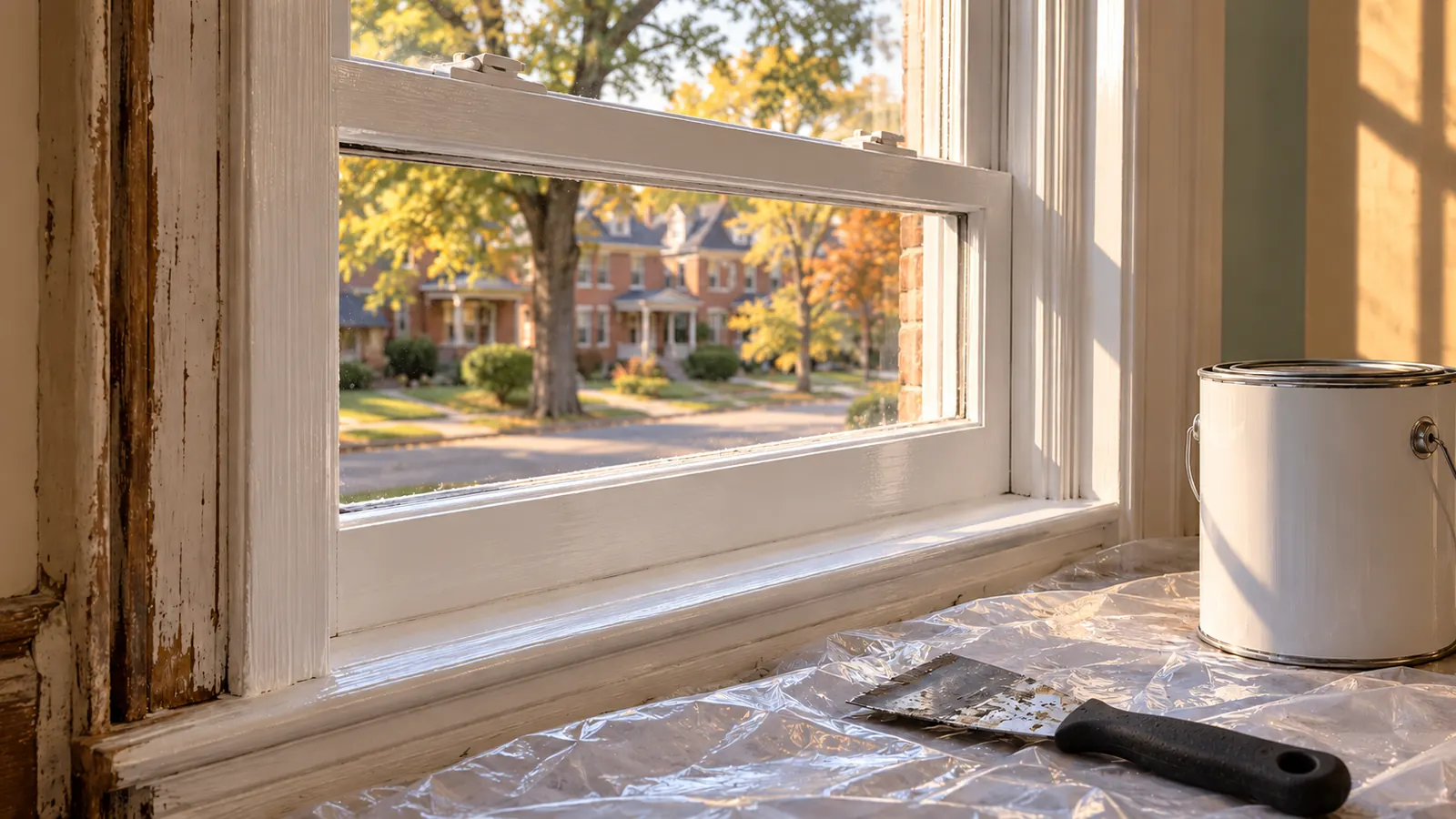
Detroit’s older housing is part of its appeal: solid brick, hardwood floors, big porches. It also comes with a hazard that matters most to families with young children. The city’s own materials state plainly that homes built before 1978 likely contain lead-based paint, and that there is no safe level of lead in a child’s system. Here is what Detroit does about it and what you can check yourself.
Why it matters
Lead can damage the brain and nervous system, especially in young children, and the city notes that children who are lead poisoned may show no symptoms. The good news is that the problem has been shrinking. The Detroit Water and Sewerage Department reports that the number of children with elevated blood lead levels in Detroit has fallen by about half since 2009, which it attributes to home abatement, outreach and education, and the demolition of blighted homes. But lead remains a challenge for children under six.
Lead paint in rental homes
The city’s Lead Safe Detroit page notes that, with more than half of Detroiters renting, the city approved a tougher rental ordinance that created a framework for stronger enforcement of lead requirements. In practice, three departments share the work:
- BSEED, the buildings department, provides lead education to rental owners, inspects rental units for lead and issues violations to landlords who do not comply.
- The Health Department sends lead advocates and nurses to visit homes of children under 6 affected by lead, and notifies BSEED so the property can be investigated.
- The Housing and Revitalization Department investigates homes of children under 6 with elevated blood lead levels and provides lead abatement; it can be reached at 313-224-6380.
Before you rent, check the home’s Certificate of Compliance on the city’s rental map, as explained in Before You Rent in Detroit: How to Check a Home’s Certificate of Compliance. A current certificate means the unit passed a recent city inspection.
What to look for on a viewing
- The age of the house. The city’s rule of thumb is that homes built before 1978 likely contain lead-based paint.
- The condition of painted surfaces, especially windows, doors, porches and stairs.
- Whether a recent city rental inspection has been passed, shown by a current Certificate of Compliance.
- Whether the water service line is lead, using DWSD’s lookup tool described below.
Tip: If you notice deteriorating paint during a viewing, ask in writing how and when it will be repaired before you move in, and keep the reply.
Lead in water: it is about the service line
DWSD is explicit that lead is not in the water distribution system. Lead enters drinking water through a lead service line, the pipe connecting the water main to a house, and through lead-based plumbing inside the home. To find out whether a specific home has a lead service line, use DWSD’s online lookup tool; homeowners can also put their homes on the replacement wait list through the Lead Service Line Replacement Program.
DWSD replaces lead service lines during water main replacement projects and on an individual basis. During main replacement on a block, it provides pitcher filters and flushing instructions to homes and businesses as a precaution, whether or not a lead line is present. The department publishes an annual water quality report and its lead testing results; its 2021 results were below the federal and state action level.
Free repairs: Detroit LeadSafe Housing
The city runs Detroit LeadSafe Housing, a free program that reduces lead-based paint hazards in homes built before 1978. It is funded with federal and state money. To qualify, a household must meet all of these conditions:
- The home is in one of these Detroit ZIP codes: 48202, 48203, 48204, 48206, 48208, 48209, 48210, 48211, 48212, 48213, 48214, 48215, 48217, 48227, 48234 or 48238.
- A child under 6 lives there, or visits at least 10 hours a week, or a pregnant woman lives there.
- The applicant has clear proof of ownership. Both owner-occupants and landlords are eligible.
- The family is low-income or has a child enrolled in Medicaid.
Qualifying homes get a free lead inspection and, if lead hazards are found, repairs to address them. The program may also fund some non-lead emergency repairs, such as a roof, furnace, water heater or porch, depending on need and funding. Families with a child who has an elevated blood lead level get priority. Outside those ZIP codes, the city points residents to the state program at Michigan.gov/mileadsafe.
Renters cannot apply on their own, because ownership is required, but they can tell their landlord about the program. For a landlord, it can pay for work that would otherwise be needed to pass inspection.
Buying an older home
If you are buying, lead belongs on your inspection list alongside the roof and furnace. Detroit’s down payment assistance program even publishes a visual lead inspection guide for lenders and real estate professionals. See Detroit Down Payment Assistance: Up to $25,000 for Buyers Who Already Live in the City and Fixing Up a Detroit Home: Building Permits, Trade Permits and Certificates of Acceptance.